News trading is a specialized style of trading that focuses on capitalizing on the sharp price movements triggered by major economic announcements, central bank decisions, corporate earnings, and geopolitical events.
While it can offer some of the highest reward opportunities in the markets, news trading is also one of the riskiest approaches. Professional traders treat it with extreme caution, while many beginners lose significant capital by jumping in without proper preparation.
In this comprehensive 2026 guide, we’ll break down exactly how news trading works, the best strategies, essential risk management techniques, and practical tips to help you navigate these volatile events successfully.
Important Disclaimer: News trading involves substantial risk of loss and is not suitable for all traders. This article is for educational purposes only and does not constitute financial advice. Always use proper risk management and practice extensively on a demo account.
What is News Trading?
News trading involves taking positions before, during, or immediately after major news releases with the expectation that the new information will cause significant price movement.
High-Impact News Categories:
- Economic Data Releases (Non-Farm Payrolls, CPI Inflation, GDP, Retail Sales)
- Central Bank Decisions (FOMC, ECB, BoJ rate decisions and press conferences)
- Corporate Earnings Reports
- Geopolitical & Unexpected Events (wars, elections, natural disasters, major policy changes)
These events create temporary imbalances between buyers and sellers, often leading to explosive volatility.
Why News Moves the Markets So Strongly
Markets are forward-looking and price in expectations. When actual data differs from expectations (the “surprise factor”), prices adjust rapidly.
Key reasons for strong reactions:
- Algorithmic Trading: High-frequency trading bots react in milliseconds.
- Institutional Positioning: Large funds reposition billions based on new data.
- Retail Sentiment: Social media and news outlets amplify reactions.
- Central Bank Policy Implications: News often signals future interest rate changes.
Understanding Market Expectations
The most important concept in news trading is “priced in” vs “surprise”:
- If data comes exactly in line with expectations → Often muted reaction.
- If data is much better or worse than expected → Strong directional move.
Always check consensus forecasts on sites like Investing.com or Bloomberg before trading.
Popular News Trading Strategies
1. Straddle / Strangle (Pre-News Volatility Play)
- Place a buy stop above recent resistance and a sell stop below support before the release.
- One side will trigger on the breakout.
- Best for events with unpredictable outcomes (e.g., FOMC).
- Risk: Whipsaw (price hits both stops).
2. Post-Release Breakout Trading
- Wait 30 seconds to 5 minutes after the release for initial chaos to settle.
- Identify the dominant direction.
- Enter on a breakout of the pre-news range with volume confirmation.
- Use candlestick patterns and support/resistance for confirmation.
3. Fade the Initial Move (Mean Reversion)
- If the initial reaction appears overextended, take a counter-trend position targeting a retracement.
- High risk — only for experienced traders.
4. Directional Bias Trading (Fundamental + Technical)
- Form a bias based on expected data and technical levels.
- Enter before or after the release with strong confluence (e.g., key support + bullish divergence + positive surprise).
5. Options-Based Strategies
- Buy straddles or strangles before earnings.
- Use debit spreads to limit risk.
My Personal Experience: The Power of Catalysts and “Buying the Rumor, Selling the News”
Having experimented with various news trading approaches firsthand, you quickly realize why the legendary market adage “buy the rumor, sell the news” rules trading floors. Markets constantly price in expectations long before an official announcement hits the wire. By the time the actual headline drops, the initial price move can instantly reverse as big players take profit, leaving late retail traders trapped at the absolute top or bottom.
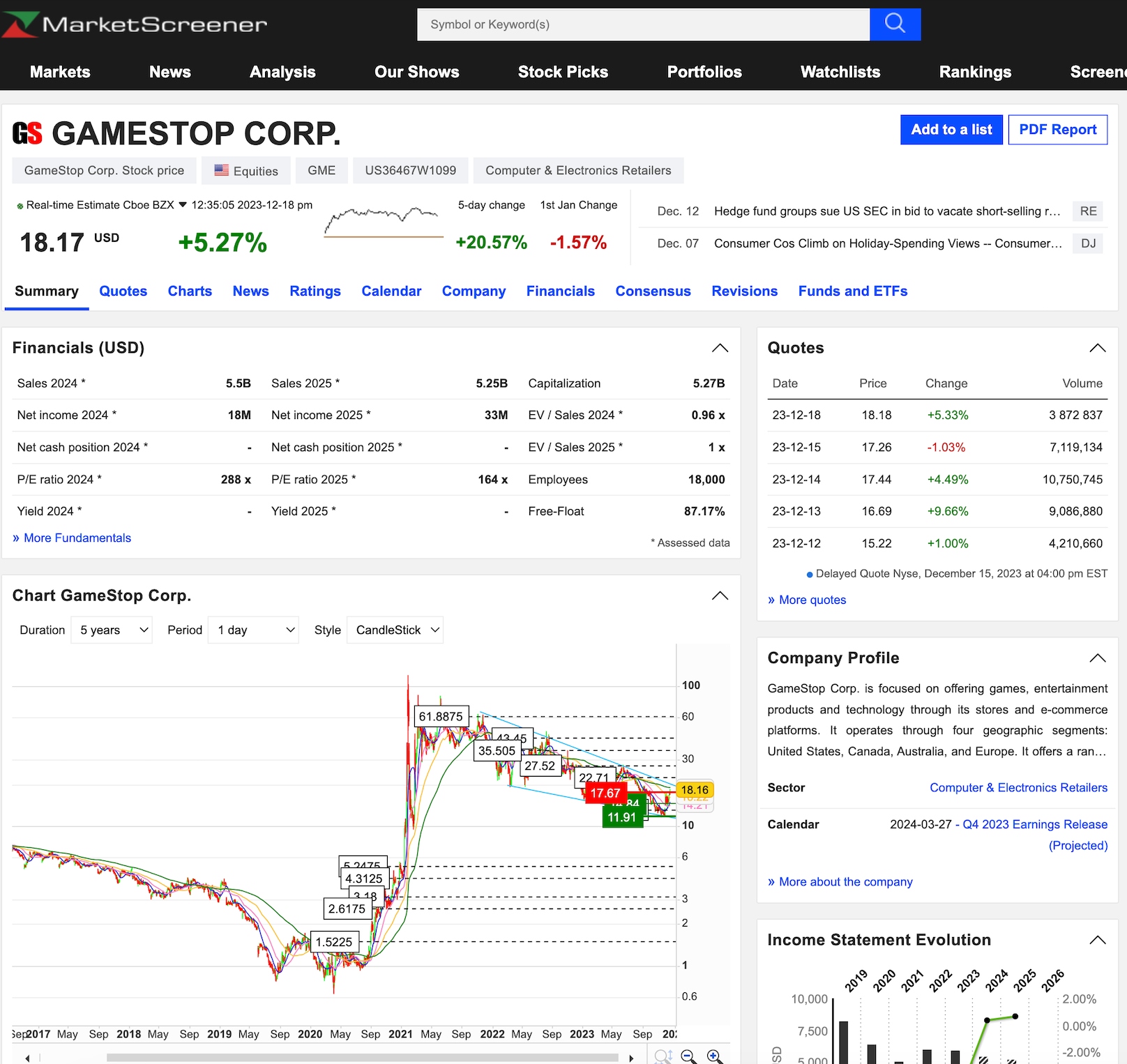
Between hyper-fast algorithmic bots and institutional prop desks, news is undeniably one of the most powerful catalysts driving price action in any financial market. Whenever I see an asset making a sudden, violent move on my charts, my immediate instinct is to dig straight into the wire services and search for the breaking news driving the momentum. Understanding what headline sparked the move prevents you from trading blind, helping you distinguish between a fleeting liquidity spike and the start of a massive macro trend.
Risk Management in News Trading (Critical)
News trading demands stricter risk rules than regular trading:
- Reduce Risk Size: Risk only 0.25–0.5% of your account per trade during news.
- Wider Stops: Use ATR (Average True Range) or logical structure levels instead of tight technical stops.
- Defined Exit Plan: Set profit targets and stop-losses before the release.
- Avoid Over-Leverage: Especially dangerous in forex and crypto during news.
- Maximum Daily Exposure: Limit total news-related risk.
- News Blackout Periods: Many professionals simply avoid trading 15 minutes before and after major releases.
Psychology of News Trading
News events test emotional control like nothing else:
- FOMO: Chasing the initial spike often leads to buying the top.
- Panic: Sharp reversals can trigger emotional exits.
- Revenge Trading: Trying to recover losses immediately after a bad news trade.
Best Practices:
- Stick rigidly to your pre-defined plan.
- Take breaks between events.
- Review every news trade in your journal (include emotions).
Real-World Examples (2025–2026)
Example 1: Non-Farm Payrolls (NFP) In April 2026, NFP came in significantly stronger than expected. USD pairs spiked sharply upward in the first minute. Traders using a post-release breakout strategy entered long USD/JPY after confirmation above the pre-news high and captured a 120-pip move.
Example 2: FOMC Meeting The Federal Reserve delivered a more dovish tone than expected in March 2026. Stocks and gold rallied aggressively. Traders who waited for the initial reaction and bought the dip near key support levels profited nicely over the following hours and days.
Example 3: Tech Earnings Miss A major semiconductor company missed revenue expectations in Q1 2026. The stock gapped down 9% after hours. Swing traders who shorted the post-earnings drift using technical resistance captured excellent risk-reward over the next few sessions.
Best Tools for News Trading in 2026
- Economic Calendar: Investing.com or Forex Factory
- Charting: TradingView (with alerts set on key levels)
- News Feed: Bloomberg, Reuters, or Benzinga
- Broker: Fast execution with low slippage (crucial during news)
- Journal: Track win rate, average P&L, and emotional state for news trades
Pros and Cons of News Trading
Pros:
- High potential reward in short time
- Clear catalysts for movement
- Opportunities in both directions
- Excellent learning experience
Cons:
- Very high risk and stress
- Frequent false moves and whipsaws
- Requires fast decision-making
- Spreads and slippage can eat profits
- Not suitable for beginners without strong risk management
Advanced Tips for Consistent News Trading
- Specialize in 2–3 specific events rather than trading everything.
- Combine technical analysis (support/resistance, moving averages, volume) with fundamental understanding.
- Track historical reactions of specific pairs/assets to recurring events.
- Use multiple timeframes — higher timeframe for bias, lower for entry.
- Consider seasonality and current market regime (bull, bear, or ranging).
- Backtest your news strategies thoroughly.
Key Takeaways
- News trading is a high-risk, high-reward style that requires excellent preparation, discipline, and risk management.
- The key to success is understanding market expectations and focusing on the surprise factor rather than the headline number.
- Always prioritize capital preservation — many experienced traders choose to sit out most news events.
- When you do trade news, use strict rules, smaller position sizes, and combine technical tools from previous posts (support & resistance, moving averages, RSI, MACD, volume, multiple timeframes).
- Develop strong trading psychology to handle the emotional intensity of these events.
- Start by observing and paper trading major releases before risking real capital.
News trading is not for everyone, but when approached with the right mindset, preparation, and risk controls, it can become a valuable part of a complete trading toolkit. It perfectly complements the technical analysis, fundamental analysis, risk management, and psychology topics covered throughout this blog. This applies to every asset possible.
In future posts, we’ll explore more advanced trading strategies and how to combine news events with technical setups for higher-probability trades.