Options trading is one of the most powerful tools available to traders and investors, offering flexibility, leverage, and unique ways to profit in both rising and falling markets. However, it also comes with significant risks and complexity.
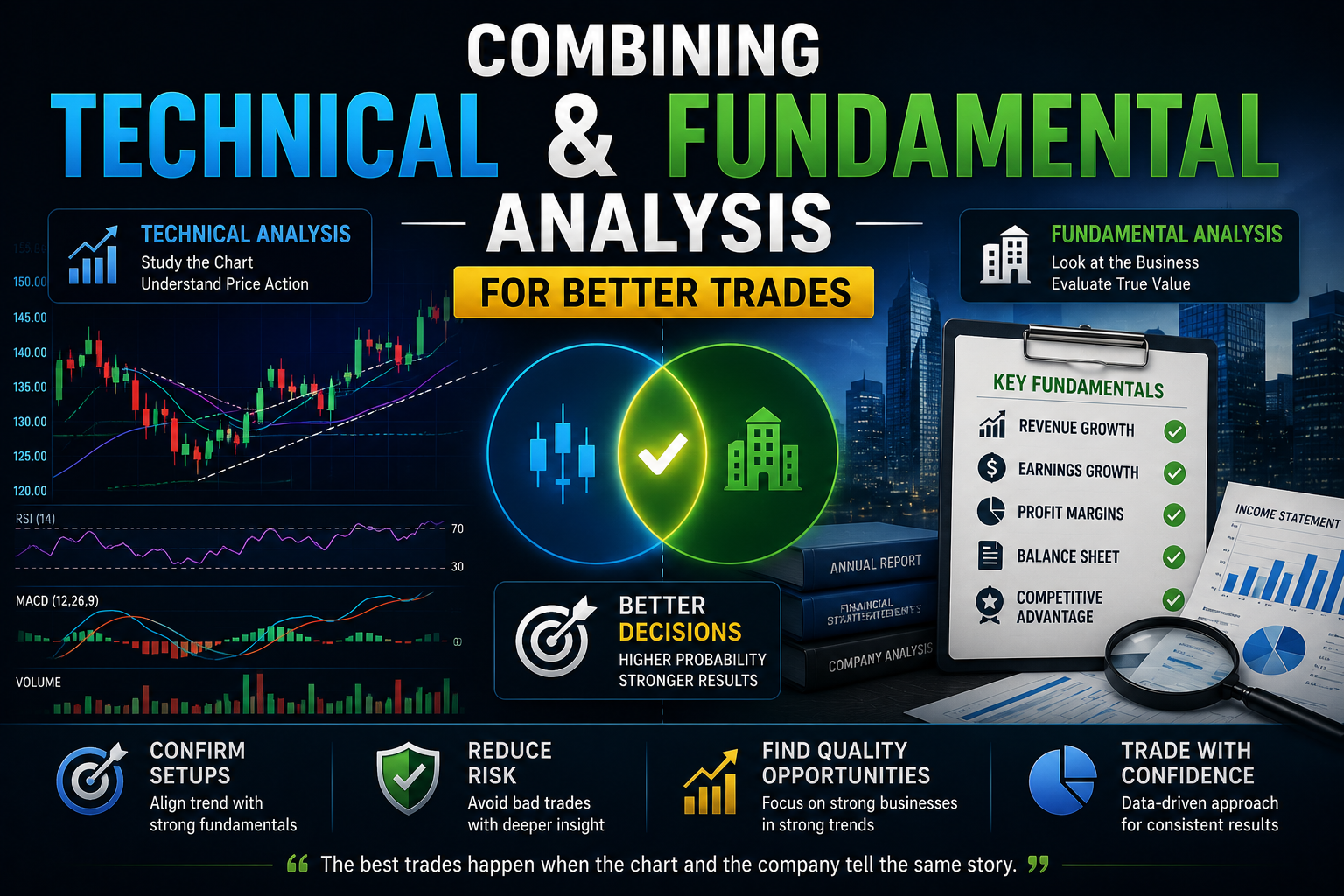
In this beginner-friendly guide, we’ll break down the fundamentals of options — what calls and puts are, how they work, and simple strategies you can start with. This post builds on the technical and fundamental concepts covered earlier in this blog.
Important Disclaimer: Options trading involves substantial risk of loss and is not suitable for all investors. You can lose your entire investment in options. This article is for educational purposes only and does not constitute financial advice. Practice on a demo account and consider consulting a licensed advisor before trading options.
My Personal Perspective: Why Options Trading Wasn’t For Me
If I’m being entirely transparent, I’ve actually tried options trading myself in the past, and I quickly realized it simply isn’t for me. While the allure of leverage and massive percentage gains is tempting, options are a completely different ballgame compared to standard stock or crypto trading. You aren’t just fighting market direction; you are fighting time decay, implied volatility shifts, and complex pricing mechanics. Success in options requires an immense amount of deep experience, relentless dedication, and constant monitoring. For many traders—including myself—the high stress and rapid capital erosion make simpler, more grounded strategies a much better fit.
What Are Options?
An option is a contract that gives the buyer the right, but not the obligation, to buy or sell an underlying asset (stock, ETF, index, etc.) at a specific price within a set time period.
- Each options contract typically controls 100 shares of the underlying stock.
- Options have an expiration date — after which they become worthless if not exercised or sold.
- The price you pay for the option is called the premium.
Options are derivatives — their value is derived from the price movement of the underlying asset.
Calls vs Puts: The Two Types of Options
| Feature | Call Option | Put Option |
|---|---|---|
| What it gives you | Right to buy the asset | Right to sell the asset |
| Market Outlook | Bullish (expect price to rise) | Bearish (expect price to fall) |
| Profit When | Underlying price rises | Underlying price falls |
| Max Loss | Premium paid | Premium paid |
| Max Gain | Unlimited | Substantial (limited to asset going to zero) |
Essential Options Terminology
- Strike Price: The fixed price at which you can buy (call) or sell (put) the asset.
- In-the-Money (ITM): Call = stock price > strike; Put = stock price < strike.
- At-the-Money (ATM): Stock price ≈ strike price.
- Out-of-the-Money (OTM): Call = stock price < strike; Put = stock price > strike.
- Expiration Date: The last day the option can be exercised.
- Premium: The current market price of the option (influenced by time value and intrinsic value).
How to Trade Basic Options
Buying a Call Option (Bullish Strategy)
Example: Apple (AAPL) is trading at $230. You buy one $235 Call option expiring in 30 days for a $4.50 premium ($450 total cost).
- If AAPL rises to $250 by expiration → Option is worth ~$15 → Nice profit.
- If AAPL stays below $235 → Option expires worthless → You lose the $450 premium.
Buying a Put Option (Bearish Strategy)
Example: You believe Tesla (TSLA) at $280 is overvalued. You buy a $270 Put for $6.80 premium ($680 total).
- If TSLA drops to $240 → Big profit.
- If TSLA stays above $270 → You lose the premium.
Basic Options Strategies for Beginners
1. Long Call (Directional Bullish)
- Best when you expect a strong upward move. Limited risk, unlimited reward.
2. Long Put (Directional Bearish)
- Best when you expect a significant decline. Limited risk, high reward potential.
3. Covered Call (Income Strategy)
- You own 100 shares of the stock and sell a call option against it to generate extra premium income.
4. Protective Put (Insurance Strategy)
- Own the stock + buy a put option as protection against downside risk.
Risks of Options Trading
- Time Decay (Theta): Options rapidly lose value as expiration approaches, especially OTM contracts.
- High Leverage: Small market movements can result in 100% losses of your invested capital.
- Complexity: Requires mastering the Greeks (Delta, Gamma, Theta, Vega) and order execution nuances.
- High Skill Barrier: Unlike buying a stock, options require specialized experience and complete dedication.
Key Takeaways
- Options offer flexible ways to express market views, but they demand a high level of expertise, continuous monitoring, and strict risk management.
- If complex derivatives aren’t your style—as many experienced traders discover—focusing on traditional stocks, dividends, or crypto spot markets can be a much healthier approach.
- Always prioritize capital preservation over chasing complex, high-leverage instruments that don’t match your personal trading personality.
Options trading wraps up our deep dive into the diverse tools available in the financial markets. Whether you choose fundamental investing, technical swing trading, or dividend growth, finding the right niche for your lifestyle is the key to long-term success.