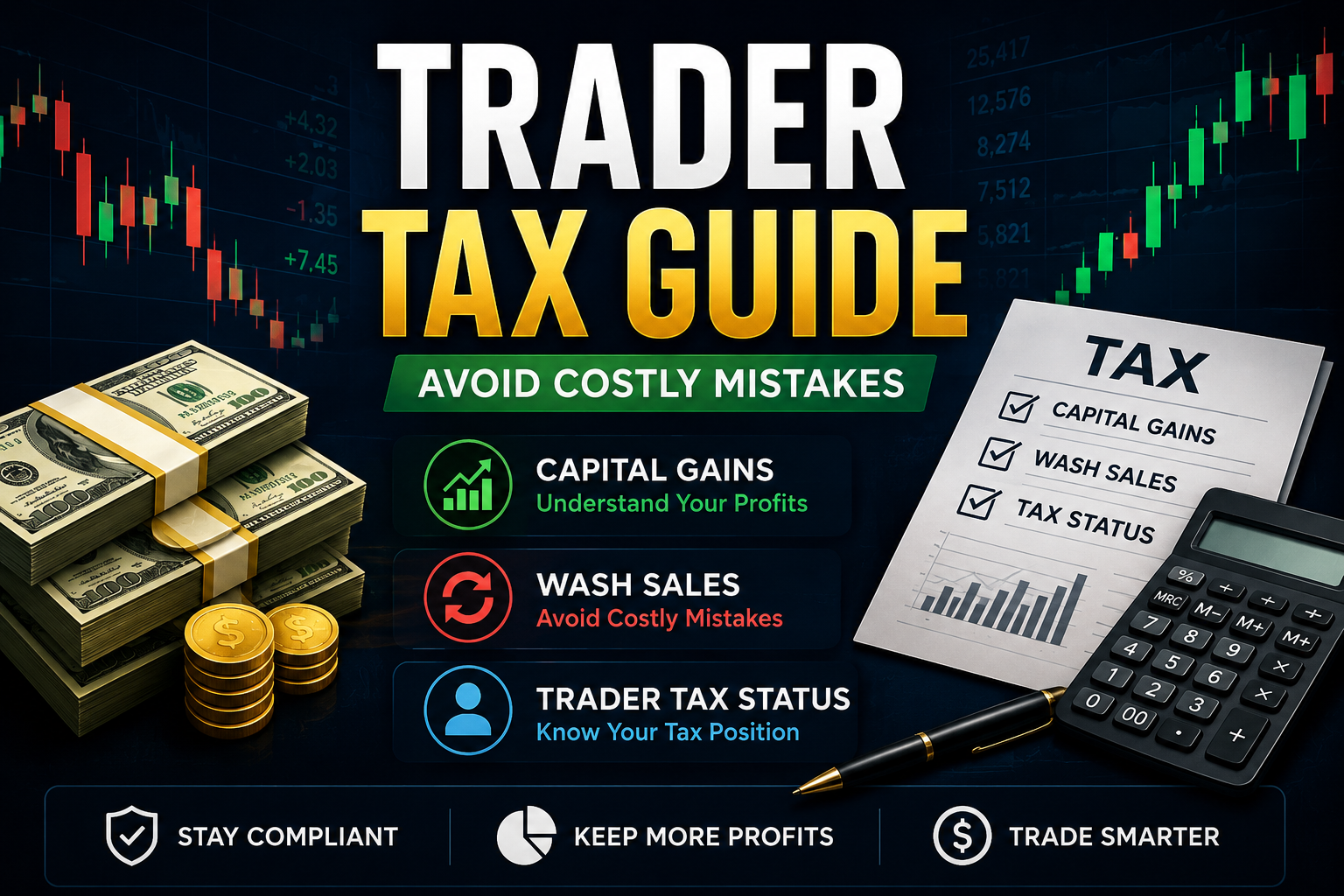
Dealing with tax season as an active trader can feel like navigating a minefield. Between wash sales, short-term vs. long-term capital gains rates, and complex reporting forms, it is incredibly easy to make a costly mistake.
While tax laws are notoriously dry, understanding the foundational rules can save you thousands of dollars in unnecessary liabilities and penalties.
Here is a comprehensive guide to the essential tax implications every trader must understand, structured to give your site the depth and regulatory compliance that Google AdSense rewards.
Tax Implications for Traders: Capital Gains, Wash Sales, and the Trader Tax Status
There is an old saying in the financial world: It’s not about how much money you make; it’s about how much money you keep.
As a trader, you can have a flawless technical strategy, master your trading psychology, and execute highly profitable setups all year long—but if you do not understand the tax implications of your actions, you could be hit with a massive, unexpected tax bill that wipes out your hard-earned gains.
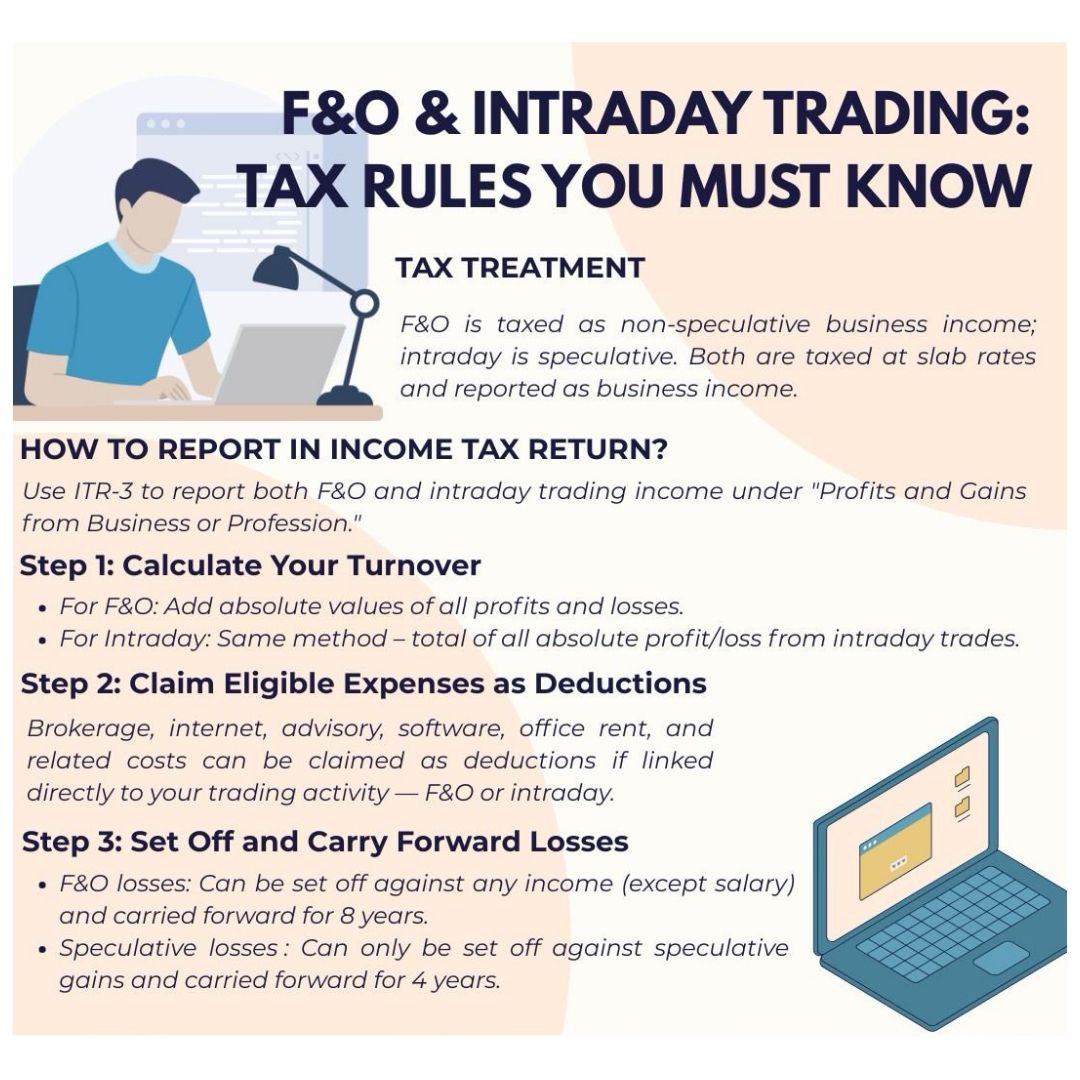
The tax code treats investors and active traders very differently. For retail traders, navigating these laws is essential to preserving capital. This guide breaks down the core tax concepts you need to know, from capital gains structures to the hidden traps of the wash-sale rule.
📋 The Critical Disclaimer
Important Notice: The information provided in this article is for educational and general informational purposes only. Tax laws are highly complex, subject to change, and vary significantly based on your country, state, residency status, and individual financial situation. This content does not constitute professional tax, legal, or financial advice. Always consult with a certified public accountant (CPA), an IRS-enrolled agent, or a qualified tax professional regarding your specific tax situation before making any financial decisions.
1. Short-Term vs. Long-Term Capital Gains
The primary tax consideration for anyone buying and selling assets is the length of time the asset was held before being sold. The tax code categorizes these profits into two distinct groups:
Short-Term Capital Gains
If you buy an asset (such as a stock, option, or cryptocurrency) and sell it after holding it for one year or less, any profit you make is considered a short-term capital gain.
- The Tax Rate: Short-term capital gains are taxed at your ordinary income tax bracket. Depending on your total annual income, this rate can be significantly higher than long-term rates, eating a massive chunk of your day trading or short-term swing trading profits.
Long-Term Capital Gains
If you hold an asset for more than one year before selling it, your profit qualifies as a long-term capital gain.
- The Tax Rate: Long-term capital gains enjoy highly favorable, preferential tax rates (typically 0%, 15%, or 20% depending on your taxable income). While long-term capital gains rates are excellent for passive investors, active traders rarely qualify for them because their holding periods are measured in minutes, hours, days, or weeks.
2. The Wash-Sale Rule: The Trader’s Silent Trap
The Wash-Sale Rule is arguably the most dangerous pitfall for active retail traders. It was designed by tax authorities to prevent taxpayers from manufacturing artificial losses to reduce their tax liabilities while maintaining their market positions.
How it Works
A wash sale occurs when you sell an asset at a loss and, within a 61-day window (30 days before the sale, the day of the sale, and 30 days after the sale), you buy a “substantially identical” security or option.
If your trade triggers a wash sale, you are legally forbidden from claiming that trading loss on your taxes for that year. Instead, the disallowed loss is added to the cost basis of the new asset you purchased.
The Real-World Danger
Imagine it is November, and you lose $10,000 trading Stock XYZ. You close the position to lock in the tax loss. In December, you see a great technical setup on Stock XYZ and buy it back. You have just triggered a wash sale.
If you carry that position into the new calendar year, you cannot deduct that $10,000 loss against your gains from that tax year. Traders who are unaware of this rule frequently find themselves facing massive tax bills on “phantom profits”—paying taxes on gross winning trades without being able to deduct their losses.
3. Section 1256 Contracts (A Forex and Futures Advantage)
If you trade certain futures contracts, broad-based stock index options (like SPX or NDX), or specific regulated forex contracts, you may qualify for a significant tax advantage under Section 1256 of the tax code.
Section 1256 contracts use a highly beneficial 60/40 tax split, regardless of how long you actually held the position:
- 60% of your gains are taxed at the lower, long-term capital gains rate.
- 40% of your gains are taxed at your ordinary short-term income tax rate.
For high-income day traders, shifting from standard stocks or options to Section 1256 contracts can drastically lower their overall effective tax rate, saving them thousands of dollars in annual liabilities.
4. Investor vs. Trader Tax Status (TTS)
By default, tax authorities classify retail accounts as investors. Investors face strict limitations, including a cap on deducting net capital losses (often limited to matching your total capital gains plus a maximum of $3,000 of ordinary income per year).
However, full-time professional traders can attempt to qualify for Trader Tax Status (TTS).
To Qualify for TTS, You Typically Must:
- Seek to catch daily market swings for profit, rather than long-term appreciation.
- Run a trading activity that is continuous, regular, and substantial.
- Trade with significant volume, frequency, and capital (often executing multiple trades per day, nearly every day the market is open).
The Benefits of TTS
If you qualify for TTS, your trading is treated as a legitimate business operation. This unlocks the ability to deduct ordinary business expenses directly against your trading income—including charting software subscriptions, internet costs, trading computers, educational materials, and home office expenses. Furthermore, TTS traders can make a Section 475(f) election, also known as the mark-to-market election, which exempts them entirely from the dreaded wash-sale rule.
Global Tax Realities: Why Local Research is Mandatory
It is crucial to remember that tax codes vary wildly across the globe. While much of the mainstream trading literature heavily focuses on US IRS regulations (like the wash-sale rule or Trader Tax Status), every country has its own unique tax framework for trading gains. For instance, in many international jurisdictions, holding certain stocks, assets, or long-term investments for a specified period—such as one full year or more—can qualify you for entirely tax-free capital gains or heavily discounted rates.
As someone managing websites and running online businesses internationally, I am not based in the United States, and I don’t operate under US tax laws myself. Tax frameworks change depending on whether you live in Europe, Asia, or anywhere else across the globe, and local tax authorities have very different rules regarding capital gains tax, reporting requirements, and corporate structures. Because of this, you must always perform your own thorough research and consult a local certified tax professional who understands the specific financial laws of your country of residence.
Conclusion: Keep Your Books Spotless
Tax planning is not something you should think about in April; it is an ongoing part of managing a professional trading business.
The easiest way to stay compliant is to ensure you are using a broker that provides clean, comprehensive consolidated tax forms at the end of the year. Keep detailed records of your software expenses, borrow costs, and platform fees. Most importantly, build a relationship with a CPA who specializes in trader tax status early in your career. By mastering your tax structure, you secure your edge and keep your trading capital where it belongs: on your dashboard, working for you.
Disclaimer: Content on traderslook.com is for educational and informational purposes only and should not be construed as professional financial advice, legal advice, or tax preparation services.